


Contact Us
Let’s Partner for Your Next Big Presentation
Consult with our Business Advisor
.webp)
Thank you! Your submission has been received!
Oops! Something went wrong while submitting the form.


Audiences have gathered in the room. The deck opens. By slide 4, someone pulls out their phone. Before you know it, everyone else has followed suit. The room gets restless. The meeting ends. No change. The deck wasn't that bad. It just wasn't designed to get the room in the first place.
That's the difference trends in modern business presentations will make in 2026. And while better templates and fancier animation certainly play a role, it ultimately comes down to designing presentations as communication systems, ones that are built around specific audiences, crafted with a particular argument in mind, and focused on earning attention rather than assuming it.

The issues aren't new, and neither are the solutions. What's different about 2026 is the audience's intolerance to these problems.
The best presentations always follow a story, not the number of slides in a deck. That's why forward-thinking companies focus on presentations that have been carefully crafted based on a story arc consisting of a problem, conflict, and solution. Instead of multiple decks that go over the status report for each department, the presentation is focused on a single, strategically crucial decision. It makes it easy to follow and understand what the speaker's trying to achieve. INK PPT helped Carrier Global achieve just that.

Scope: Annual flagship business meet on launching a groundbreaking product. Themed 'Soar to Roar' and addressed to a large leadership audience across functions.
Challenge: The presentation needed to do justice to the brand's internal vision and feel as ambitious as the company's own expectations for it.
INK PPT Solution: Starting with context, INK PPT created a story map from Carrier's ambition, through its logic, into the evidence and results. Each transition was optimized to reflect the energy of the presentation theme.
Outcome: Presentation not only announced the new product but made the audience feel like it's the turning point of the company.
AI is becoming a part of the presentation design process, but that isn't the only change involved. The most impactful use of such tools isn't actually designing presentations. It's structuring them, analyzing research, outlining the core of the argument, and finding logical inconsistencies in it before the first sketch has been drawn. This allows you to develop decks quickly and generate a few variations of the presentation for different types of audiences.
There is a downside to that, however. The risks associated with such use of technology are fairly high since the AI tool would produce as many generic outputs as you can afford to pay for. The ability to recognize those is a competitive edge for companies of tomorrow.
Branching navigation, polls, and Q&A tools aren't only features of fancy high-budget presentations anymore. The trends in business presentations of 2026 require enterprises to implement these features on their own and incorporate them into presentations. That is because the audience's reaction is more important than ever during presentations that occur at annual business meetings and investor pitches alike.
"83% of event organizers indicate better audience engagement when presentations are interactive." (Markletic, 2025)
The shift isn't related to technology per se, however. It's more about changing understanding of what business presentations are supposed to be about.
One deck fits all audiences' strategy isn't as successful as it used to be back in the day. Trends in business storytelling and communication continue to suggest that personalized messages resonate with audiences more effectively than general ones do. The idea behind personalized communication in business is simple: build variations of the deck with different emphases for leadership, investors, regional partners, and even potential clients.
The pattern in all of these business presentation trends is clear: reduce the cognitive effort, save the audience's time, and lead to a conclusion in less time. All of these changes relate to clarity first and foremost, not presentation design.
When a business presentation is created exclusively for the sake of delivering it live, it falls flat when sent via email or shared asynchronously via web conferencing software. That's the challenge presentation trends in 2026 present to the traditional approach to creating presentations. Today, they should not only perform in person but also serve as asynchronous communication documents.
While the use of AI tools to design presentations continues to rise, the gap between synthetic design and authentic communication grows wider by the minute. People subconsciously respond to visuals designed by people and by algorithms. That means human-centric presentation design of 2026 can significantly impact audience engagement.
This is especially true for brands that want their message to be heard, not ignored. If your presentation is designed to captivate the audience's attention, you'll have to pay attention to small but important details:
It is one thing to create an exceptional business presentation once. It's another thing to design a set of them that deliver a consistent brand message, regardless of the audience and the type of decision it influences. That's what modern enterprises need. With the growing sophistication of trends in business presentations and communication, creating an ecosystem of presentations that work together becomes inevitable.
Signify had this problem and sought an advanced solution.
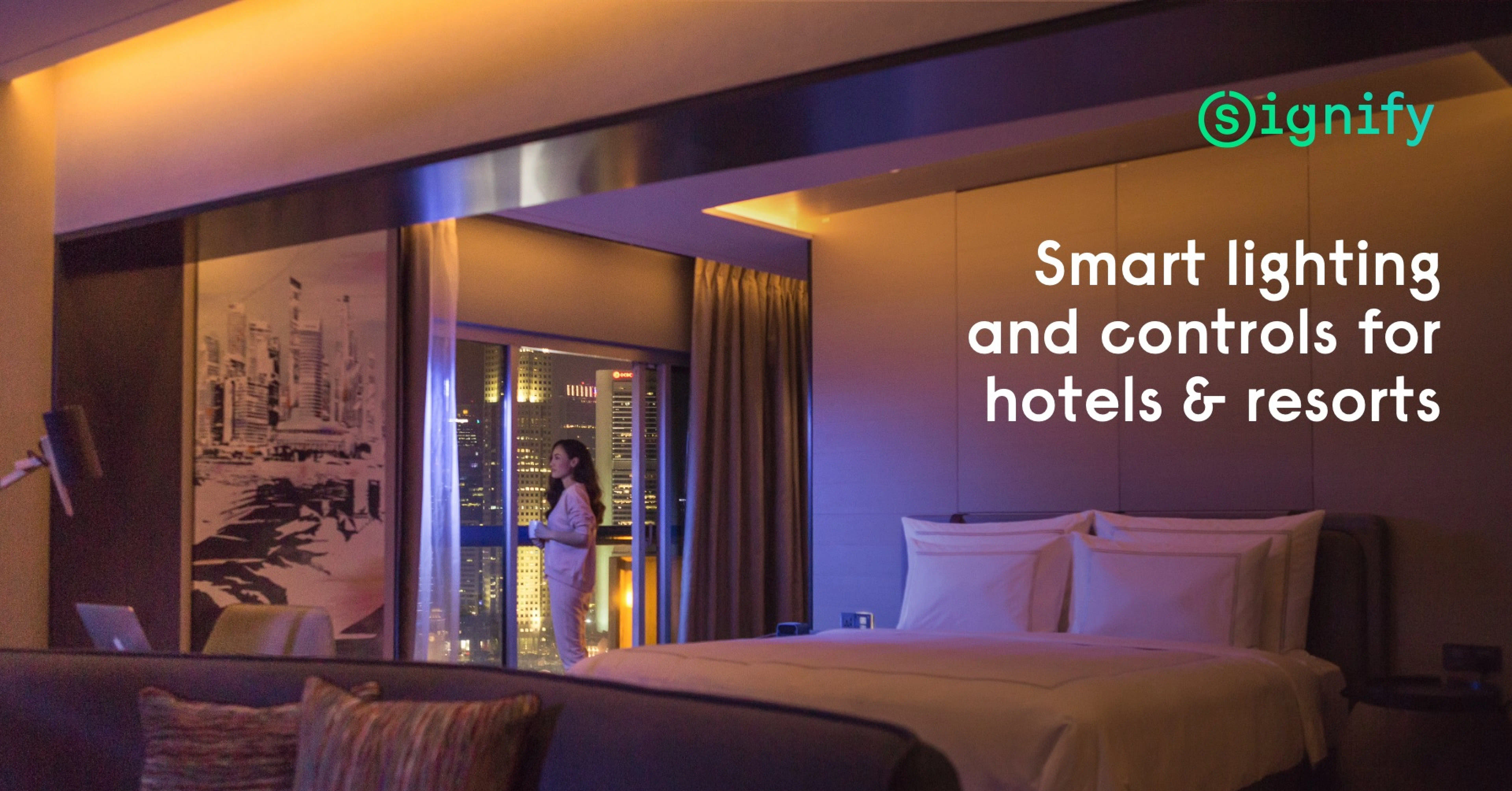
Scope: Complete redesign of the entire suite of presentations across different business lines and regions.
Challenge: Various teams created presentations without consistent design language, making the brand look fragmented.
INK PPT Solution: INKPPT developed a unique presentation system that allowed for consistent presentation design for all business lines in all regions by various teams at Signify.
Outcome: More than just redesigned presentations. An ecosystem that works despite the growth of the brand and various presentations it creates.
No matter what kind of presentation a company asks INKPPT to develop, be it a PPT for an industry conference or an investment pitch, we begin by asking one question: what do we need the audience to believe by the end of the meeting, and by when?
This single question is the core of all our work on presentations:
The future of business presentation will not be determined by better animation or more AI tools. It will depend on a company's ability to create meaningful messages in environments where attention is scarce.
The best way to succeed in such an environment in 2026 is to communicate more deliberately with presentations that are designed to make their mark and convince the audience even weeks after the meeting.
As a passionate explorer, I see crafting the perfect story as embarking on a refreshing Himalayan journey. Every narrative is an adventure, a voyage of imagination, meticulously molded into captivating presentations. I'm here to guide you, ensuring your story becomes an unforgettable odyssey, with each creation as a vibrant landscape ready to captivate eager audiences.

About the Author



Consult with our Business Advisor


